 EN
EN
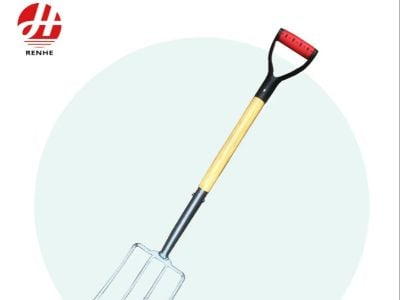
You'll need the right tools to care for your landscaping. How do I use a fork when working with hay and compost? There are so many variations, the design of which can really impact how easy or difficult the job is. A decent farming fork will save you from experiencing any strain or back pain should you need to lift heavy loads. And it also makes moving, turning and mixing compost or hay easier and quicker. Composting essentially is the process of breaking down organic matter, and a good garden forks enables adequate aeration and turning to speed up how quickly compost becomes usable. RENHE know the importance of forks design and produce tools to make farmers work more efficient.
Where to Get Best Forks for Easy Compost Processing?
The right farming forks are key for anyone working with compost. You can find quality choices at a local farm supply shop or order online straight through manufacturers like RENHE. These sources tend to offer a suite of designs geared toward specific tasks, so it’s handy to have in mind what you need — for instance, a light fork (think smaller loads) or a beefier one (for carrying heavier things). Some of the top materials for constructing gardeners fork are steel or stable composites, which maintain their integrity even through regular use. If you are shopping online be sure to read reviews written by other customers. This will allow you to maintain not only a strong grip but also a comfortable one. Make sure the handle is meant to provide a secure grip, since using a fork with a slippery handle will only make your task harder. Another wise path is to join farming forums or social media groups and see what strains the communities are suggesting. In such communities, farmers usually share their experiences with tools that have served them well. Visiting some of those local agricultural fairs or farm shows can also lead you to some useful tools, including forks. You can handle and inspect the tools before making a purchase, which helps you make an informed choice.
What Makes a Farming Fork Must-Have for Wholesale Buyers?
Some things stand out when wholesale buyers look for farming forks. First, they want durability. A sturdy fork resists high loads without cracking or bending. Quality costs, but quality also saves you money in the long run as you won’t have to replace a tool every other month. Another key aspect is the teeth of the digging fork. When spaced properly for scoping and lifting both, they will be a good distance apart. This spacing will make the work go faster and more efficient, and that is very important on a busy farm. A grip that feels comfortable is a must as well. Buyers want ergonomic designs that will help make lifting and turning less wearying. Heavier forks create a harder job to do, so the strength provided by lightness can be very useful. Additionally, versatility matters. A fork that can tackle more than one type of fodder from wet compost to dry hay to excess garden debris will be that much more useful on the farm. Finally, warranties are a quality indicator in that they show the manufacturer believes in their product. RENHE is packed with tools that comply to these standards, providing confidence for wholesale buyers who are looking for the reliability in an unwavering world of farming.
Farming And Plant Care
When it comes to farming and caring for plants, technologies often make the work more convenient and efficient. Farming Fork One of the tools frequently used by many farmers is the farming fork. These forks are great for hay and compost. Wholesale buyers who want a lot of great compost handling tools will have some things to consider, including these few. First and foremost, they want it to be strong and sturdy. Compost can be heavy, and if the fork is flimsy it will break or bend in your hands under load. A solid fork will be constructed from sturdy materials that can undertake a tough job. Consumers also shop for forks that are well-designed. It's incredibly important to have a design that aids in the lifting and pushing of material while not overly exerting it's owner. Another feature consumers look for is the size and shape of the tines, which are the little prongs that stick out from the fork. Sharp and well spaced tines can get a better purchase on compost or hay, and move more of it at once. Finally, wholesale customers will also learn how comfortable the fork is in use. A handle that is easy to grip and does not slide can make a big difference, particularly if you’ll be using it for hours at a time. For this reason, at RENHE we will discuss what investments in forks to make that meet all of these requirements and help facilitate farmers day to day lives by enabling them manage barn composts, for example.
For farmers, it is also highly essential for them to find the right place where they can buy farming forks with a good design. Innovative concepts can be used to facilitate the work on the farm. One of the best places to begin your search for these tools is a farm show or trade fair. Typically, there are lots of vendors at these events showing off their latest and greatest products – the world's most cushiony tractor seat, that sort thing. And yes better farming forks too! Farmers can see the tools and get a hands-on feel. Another source of good fork designs is the internet. Farmers also post on many websites and forums concerning their favorite tools. In doing so, farmers are able to see recommendations and reviews of various kinds of forks. Companies like RENHE often maintain websites or social media accounts where they post updates about their tools, including new designs and features with potential to aid farmers. Another excellent source of info is local farming co-ops or agricultural stores. These places tend to be aware of the newest tools on the market, and can advise farmers on which designs are proving most effective. If we stay attuned to new innovations, agricultural efficiency can really improve. When farmers have the right tools, they can handle hay and compost much better, making their work more pleasurable and more productive.
Conclusion
BUT the sort of harvesting you’re doing determines the fork that’s best for you and just as certain design flaws, such as too much flex, can make a pitchfork harder to work with. The most frequent problem: The tines on some forks are too short or weak. Tines that aren’t long enough or stout enough can’t lift heavy loads effectively, a real drawback if you need to move hay or compost. Farmers say they are frustrated when they have to do more work simply because of the tool they rely on. There will be another design flaw, namely a too slender or too long handle. If a handle does not fit ergonomically in the hand of a person, it can lead to blisters and discomfort from using the fork for prolonged periods. A good handle will be thick enough that you can grip it properly, but also the right length for your height. It’s also a mistake, no matter what size your fork is, if its tines have sharp edges but are spaced too close together. Close tines aren’t good at lifting material away. On the other hand, spread those prongs too far apart and you won’t have a strong or effective fork. When we design our forks at RENHE, we take utmost care of all these details. By steering clear of these common pitfalls, we ensure that our tools contribute to productive and comfortable work on the farm, freeing up farmers’ time so they can get done what really matters.