 EN
EN

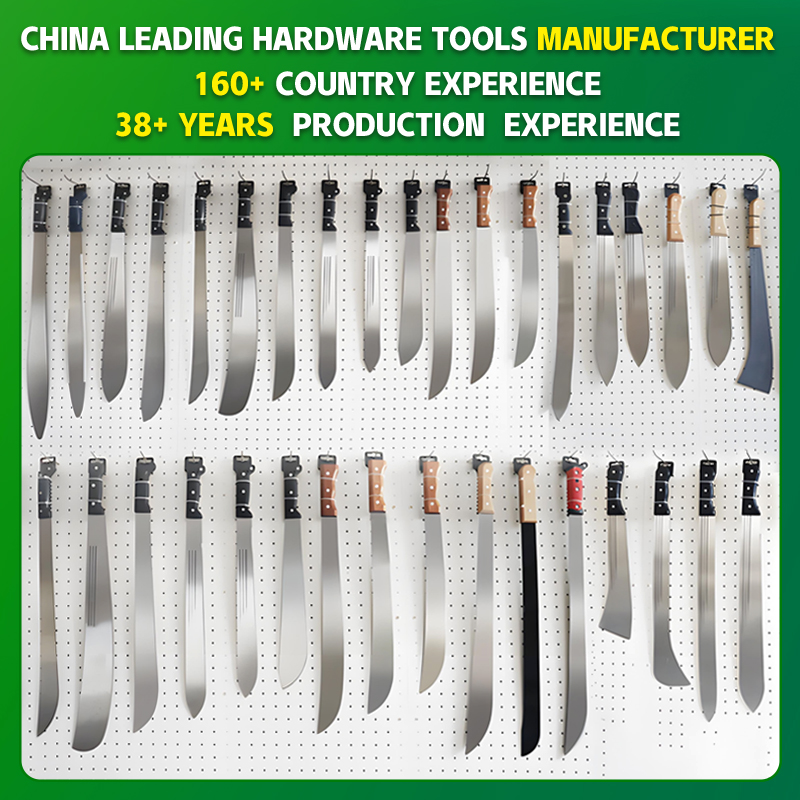
Machetes are valuable tools for those working in plantations and the countryside. They assist in clearing paths, slicing brush and felling small trees. Knowing the thickness of a machete’s blade can assist users in selecting a suitable one for them. Thin blades are lighter and more maneuverable for detail work. Thicker blades, in contrast, creates stronger blades for heavier cutting. Thickness is important because it can determine how effective the machete will be in different conditions. That can make a huge difference in how well a job goes.
Why Foresters Need to Know Machete Blade Thickness
Foresters work in lots of tough places where a reliable tool is needed. Blade thickness is a huge factor if you are looking for a machete that is durable enough to be used on a frequent basis. A narrower blade would be better for lopping off small branches or clearing bush. Here’s an easier-to-handle version, which will help when plowing away in tight quarters. But there are some instances where a thicker blade is your best option. For example, if a laborer has to hack through a thick sapling or cut through tough vines, the labors are better performed by using thicker blades. You’re not just slicing through plants. The blade should also be ready for various conditions, such as dirt, water and the occasional rock.
RENHE knows what foresters need! They understand that a machete needs to be strong while remaining useful. A lot of workers could make the mistake of depending on a machete that will work well with their situation without taking into account blade thickness. Thicker blades can crack when pressure is applied to a task they are not intended for, and thin ones can bend if used improperly. A balance is obviously key, since doing so can power employees to work as efficiently and safely as possible, driving productivity in the process.
And when practicing professionals are swinging machetes day in and day out, having the right amount of blade stock thickness can lessen the fatigue. The right machete can make a day’s work fly by. Whether you’re clearing brush to make a walking path or taking care of thicker undergrowth that serves as a hammer against more standard mowers, the comfort and performance level of your tool can have some bearing on both how well you perform and the ultimate success of your work.
How Machete Blade Thickness Impacts Cutting Efficiency When Buying in Bulk
Understanding blade thickness is essential on buying wholesale machetes if you want to make the right buying decisions. Wholesalers just want to be sure they are offering the right tools to customers. If a company purchases many machetes of uniform thickness, they may find that not everyone is best for the specific needs their customers want them to fill. For instance, a hefty machete is ideal if the customer must clear thick shrubs or weed, but for someone whose job is to trim small bushes, it may be challenging and time-consuming to use.
Plus if you're using the wrong thickness, that can be a lot of frustration and waste of time. Consider workers who have to switch between a variety of machetes depending on what they are doing. A company may spend more, then, if it purchases three or four different types instead of settling on one that suits here most jobs well. Purchasing machetes with the correct blade thickness from day 1 saves you, time and money. If a company is known for producing thicker machetes, they may not fly off the shelves as quickly to small-time users that like their blades lightweight.
It's also in the wholesalers' best interest, like RENHE, to be able to explain to clients such as why certain thicknesses exist and when they call for them. Letting people know about this can enrich their experience and satisfaction of what they are buying. When your customers are confident in their own tools, they are more likely to be happy when they use them. This is where RENHE can break through by offering not just excellent machetes, but also advice on how to pick the right one for their specific needs. It’s to the advantage of all parties when decisions are made with an informed perspective.
Choosing the Right Blade Thickness for Heavy-Duty Machete Use
If you are in need of a machete for heavy duty use, it is important to understand where to get the best blade thickness. At RENHE, we realize a machete can be an excellent forestry and field tool, but not all machetes are created equal. One of the most important factors used to determine whether a garden machete can withstand tough material such as thick branches or dense brush is the thickness of its blade. Thicker blades tend to be better for heavy duty work, like felling a tree or hacking through thick underbrush, because they can withstand the brutal impact without bending or snapping. Most heavy-duty tasks may balance flexibility and durability in the range of about 2.5 to 4 millimeters thick. This thickness is a good compromise between strength and weight; it’s easier to swing yet tough enough for hard work. Heavy-duty machetes with this thickness are available from specialist forestry shops or online stores. Always make sure the machete feels comfortable in your hand, a solid grip is crucial when you’re using it for extended periods. Picking the perfect blade thickness for your machete If you select a machete based on its blade's width, it will be able to perform tougher functions quite efficiently and will make your job much easier.
Why Blade Thickness Matters When Buying Machetes in Bulk
When purchasing machetes in greater bulk for a business or group, blade thickness matters even more. At RENHE, we know that knowing how important thickness is can help you make an educated purchase when purchasing machetes in bulk. They can break relatively easy while being used at higher workloads, resulting in the costs associated by purchasing new machetes tendril. Too heavy and they can be too dense to provide a comfortable workout for some users, resulting in them being underutilized for lighters tasks. This balance is important when you buy a lot of machetes for multiple workers. For wholesale, there are machetes with a blade thickness for light-duty forest and field work. A thickness between 2.5 and 3.5 millimeters is usually a safe range to aim for. Most people will be able to do both light and heavy work without straining with this size. And, it’s smart to consider the needs of your employees too. If they are more or less all tough jobs, a thicker blade may be the better bet. In conclusion, paying attention to the thickness of a blade can be highly beneficial in various ways and help your team work more efficiently on the field.
How Blade Thickness Affects Durability, Maintenance, and Longevity
The weight and thickness of a machete’s blade affects both how long that blade will last and how much maintenance it needs. Here at RENHE, we understand that a long lasting machete is a good value for the money and one of the most important factors in it’s durability is blade thickness. Thicker blades generally contain more material, which makes them stronger and less susceptible to chipping or breaking when taking on hard jobs. That means when you purchase a machete that’s 3 to 4 millimeters thick, for example, you’re getting something that could last for years, even if it is used often. Thinner blades, however light in weight, tend to require more maintenance like sharpening and can be more prone to bending or breaking. More maintenance is not only a nuisance, but it can also hamper work. Thicker blades can therefore mean less time maintaining and more time working. There's also the fact that even when a thicker machete becomes dull, it may still be stronger than its thinner counterpart having to re-hack hard materials and objects once again. At the end of the day, when you’re choosing for a machete, selecting the right thickness of blade will not only impact how well it performs today, but ultimately how well it’ll serve you in years to come. When you have tools that are good and reliable, it enables you to concentrate more on working instead of being anxious about when repairs or replacements will be needed. Considering all of the above can help you pick the right machete for your intended purpose so that it will serve as a good companion during your fieldwork.
Table of Contents
- Why Foresters Need to Know Machete Blade Thickness
- How Machete Blade Thickness Impacts Cutting Efficiency When Buying in Bulk
- Choosing the Right Blade Thickness for Heavy-Duty Machete Use
- Why Blade Thickness Matters When Buying Machetes in Bulk
- How Blade Thickness Affects Durability, Maintenance, and Longevity