 EN
EN

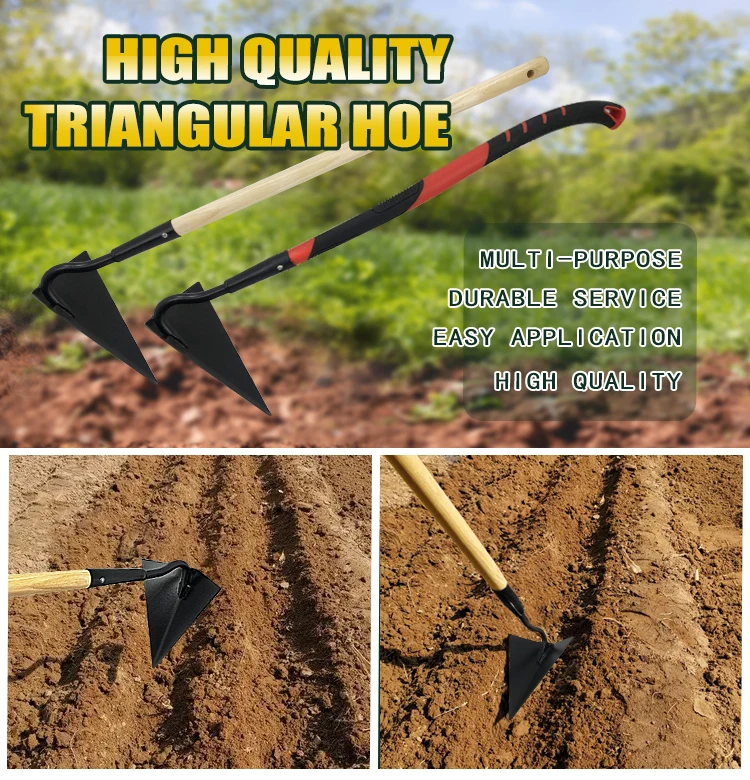
Garden hoes are crucial implements in gardening. They do some housekeeping by yanking annoying weeds that vie with plants for space and nutrients. Weeding can be done with a hoe, you can dig into the soil and pull out weeds, without disturbing the plants. Hoes are meant to be easy to use. They have a long handle that allows you to stand tall while working, so your back doesn’t tire. The blade on the end is sharp enough to slice away the weeds, but not so harsh that it’ll harm your flowers and veggies. Even if you rely on a garden hoe, it won’t take much to get the work done so you don’t have to make it your sob story. There is a type of hoe for all gardeners to keep his garden beautiful.
What are the Most frequent Error to Avoid While Using a Garden Hoe?
It may sound simple enough to use a garden hoe, but there are a few mistakes that you want to avoid to ensure it’s as effective as possible. A mistake many gardeners make is hoeing too close to their plants. This can damage their favorite flowers or vegetables. You’ll want to make sure you work at a safe distance to protect your plants. Another error is failure to handle the hoe right. Some pull the hoe toward themselves when they are cutting weeds, a process that damages soil and roots surrounding their plants. When you do this, it will change how much scrape you are producing depending on how close or far away the hoe is to going inwards. What I found actually worked better is that really, you should be pushing the hoe further from you. Plus, it's hard to hoe available soil. In any event it is best to hoe when the earth is moist. This enables a better cut through the weeds. Another mistake is to fail to clean the hoe following use. If dirt and plant matter accumulate, it grow to be less successful and also result to rust. Wipe it down post-use to maintain its shape.
Where to Get Durable Garden Hoes for Regular Use?
Quality garden hoes are hard to come by, but having an idea of where to look makes a difference. Most local gardening stores offer a variety of tools, including hoes. These standard retailers will typically allow you to actually hold the hoe, and get a sense for how it feels in your hand, and how much it weighs. It can be nice to try a few different types to see which feel best in the hand. And let’s not forget about online stores! Garden supply can be a hit-or-miss shopping experience, depending on your taste. One of the great things about shopping online is that everything is reviewed by other gardeners. This feedback would communicate the quality of a hoe. Our brand RENHE is going to supply you a long-term garden hoe. Quality hoes can be a little more expensive, but the extra money will be well spent as it will add a lot of ease to your gardening. Stores frequently run sales, and especially during planting season, so keep an eye out for bargains.
How Do You Take Care of a Garden Hoe and use it as effectively?
In order to ensure that your garden hoe lives a long productive life, you’ll need to take good care of it. First of all, clean the hoe after using. It can be erase with water when it is covered by dirt and mud. If any pieces of soil are stuck, scrub them with a stiff brush. Taking good care of it will keep it from rust, which can attack the metal bit. It’s a good idea to dry it immediately with a cloth after you have washed it. This will ensure there's no water remaining on the metal. Next, examine the hoe to see if any of it is damaged. Check for any cracks or bends in the metal and ensure that the handle doesn’t wobble. If you do notice damage, depending on how bad the dent or chipping appears, you can either hope to fix it or start shopping for a new hoe and, if it works well for what you need, consider buying one from a reputable brand like RENHE.
How to store your hoeStorage is also an important part of maintaining your garden hoe. When you finish working, store the hoe in a shed or garage or anywhere it won’t be bashed around. It should really stay off the ground to prevent it from being water damaged. You can also cover it with a cloth, put in storage box to prevent dirt and dust. V. Regularly check the hoe to ensure it is in good condition. If there is any rust, you may sand it away. Then add a bit of oil to help the metal feel nice and smooth. This will make it easier for the hoe to glide again through the soil next time you use it. Note, a clean hoe is easier to use and works better taking out the weeds. So give the attention your RENHE garden hoe deserves, and it will support you with beautiful gardening for decades to come.
What Size And Type of Garden Hoe Should You Choose?
Having a good size and type of garden hoe can make all the difference when it comes to making light work of weeding. First, consider the type of garden work you want to do. For a small vegetable garden or flower bed, smaller is often better. It’s lighter and more manageable to use, so weeding is easy and fast. On the flip side, if you have a big garden with lots of tough weeds, you’ll want a larger hoe. Larger hoes can cover more area and allow you to complete your weeding chores more quickly. RENHE has various size and type of hoes available for your special requirements.
Specific types of hoes will also have different set-ups to assist with certain tasks. For instance, a typical garden hoe has a flat blade that’s perfect for digging out weeds. It's great for smoothing out the surface of the soil and cutting through roots. There are also stirrup hoes, which have a looped blade. This type pulls weeds out of the soil from just below the surface when you pull it toward you. It will help keep your plants safe from injury because you’ll be pushing the hoe across. If you’re not sure which kind is right, consider trying a couple before becoming endeared to one. You can ask for assistance at a store that sells gardening tools, or read some reviews of RENHE hoes online. Keep in mind, the right hoe will make weeding much easier and can even keep your garden more vigorous.
How Will You Use Garden Hoe for Accurate Weed Control?
Now you can easily target weeds, and get close to your flowers or vegetable plants without damaging them. The first thing you should do, however, is examine the terrain where want to weed. Be sure to distinguish between which plants are the weeds and which ones you want to keep. When you do, it’s time to start working with your hoe. Use two hand for better manageability of the hoe. If you’ve got a good, old-fashioned hoe you can use the blade to thrust down into the ground and obliterate all but the most tenacious weeds. The hoe should hit the ground on the weed’s body at roughly a 90 degree angle and it is important to place the ho If you are using a stirrup hoe, you can push it from side to side. This helps to cut the weeds into pieces, making it more difficult for them to grow back.
When you are hoeing, don’t thwack the plants you want to keep. If you’re pulling weeds around delicate flowers or tender young vegetables, go slow and take your time. You may also want to practice your technique on some of the larger weeds to be found in more open spaces. You can leave them on the soil to desiccate, or add them to a compost pile. For sure be careful to clean your hoe as thoroughly as possible after each use, especially if it collects any soil in which you may have been weeding or any seeds. This can slow the spread of bad weeds elsewhere in your garden. With a little bit of practice and the right RENHE hoe garden tool, you will have no trouble taking care your weeds and keeping your garden healthy as well as beautiful!